.png?width=250&height=146&name=TechServ_PrimaryLogo_Color%20(1).png)





Each application starts as a photo-documented pole record collected in the field, so the package you submit to the pole owner carries its own evidence: location, measurements, and photos tied to every pole. Submitted applications precede your first funding milestone.
As pole owners review and accept, acceptance status lives on the same pole records, which gives you a running count against the acceptance threshold your second milestone requires.
Crews build from the approved design while progress stays visible in real time. Build data moves to and from your preferred construction management software through common file types and API automation, so nobody re-keys the same record twice.
Your team inspects against the approved design, photo-documenting what was actually built at every location. Every record you collected upstream is what makes this step fast, and even when the pole owner runs its own systems, your inspection record is yours.
The verified record becomes your as-built package, which meets the federal expectation that construction be verified as completed as proposed.
A configurable Pennsylvania BEAD CSV export generates the spreadsheet you upload into the PBDA portal, built from the same records your field and office teams already verified.
Pennsylvania is rarely the only place you are building. Every deployment lives in the same environment, across states and across pole owners, so you see all of your work in the place the work actually gets done.
Your deployment deadline started with your signed subgrantee agreement, and the documentation system you stand up now determines how smoothly every milestone between here and closeout pays out.
Our Pennsylvania team can walk your project against the milestone map above and help you figure out which path fits.
Katapult Engineering was founded and is headquartered in Dillsburg, Pennsylvania, and we've spent years solving pole attachment problems across the Commonwealth. PPL's attachment process runs on our platform, and Katapult Pro is in use on deployments across Pennsylvania today.
Reliable utilities in the Keystone State aren't an abstract mission for us; this is where we live and work.
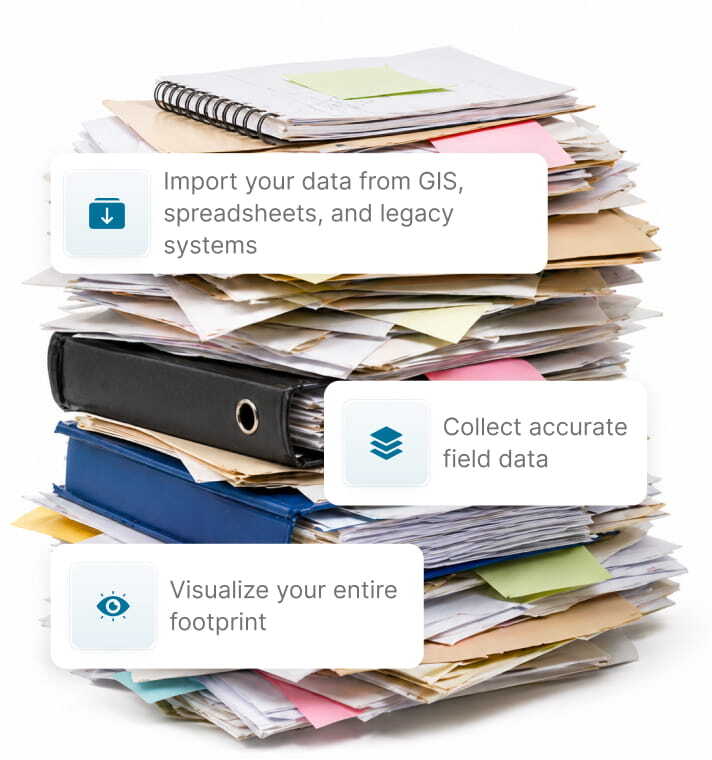

We gather scattered data from multiple sources and give you a clear picture of every pole, attachment, and application in your territory.
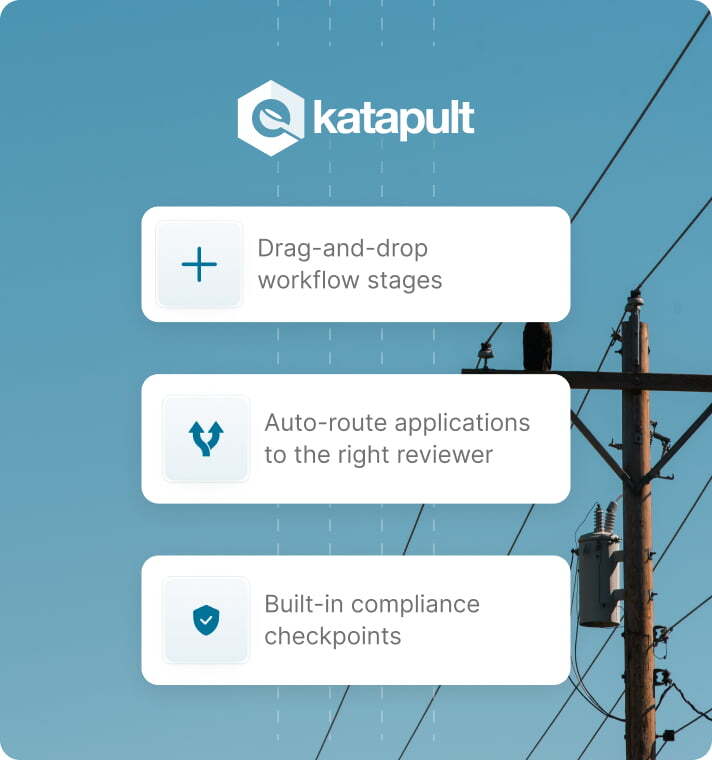

Organize it in workflows that actually work — automated routing, compliance checks, and real-time status tracking across every stakeholder.
.png?width=700&height=760&name=Frame%202087326120%20(1).png)

Keep everything clean with automation that prevents the mess from coming back. More poles, more attachers, same clean system.

© 2026 Katapult Pro. All rights reserved.





.png?width=1123&height=1228&name=telecom-providers-katapult-pro%20(1).png)